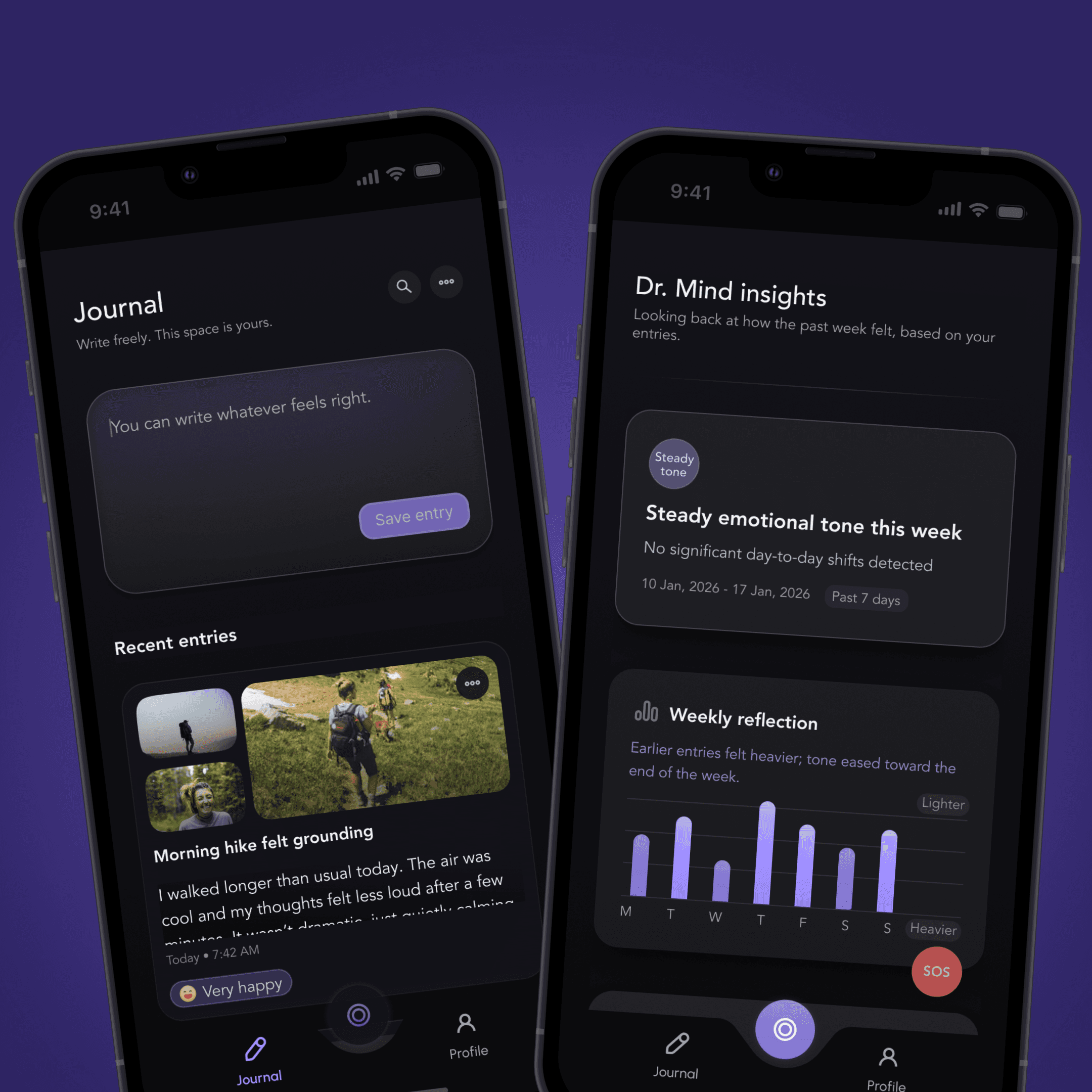
Last Card Rewards App | Gamification
Link: Prototype link available below
https://bit.ly/4rmqGMt
Industry:
Food & Entertainment
Start:
June 20, 2025
End:
July 25, 2025
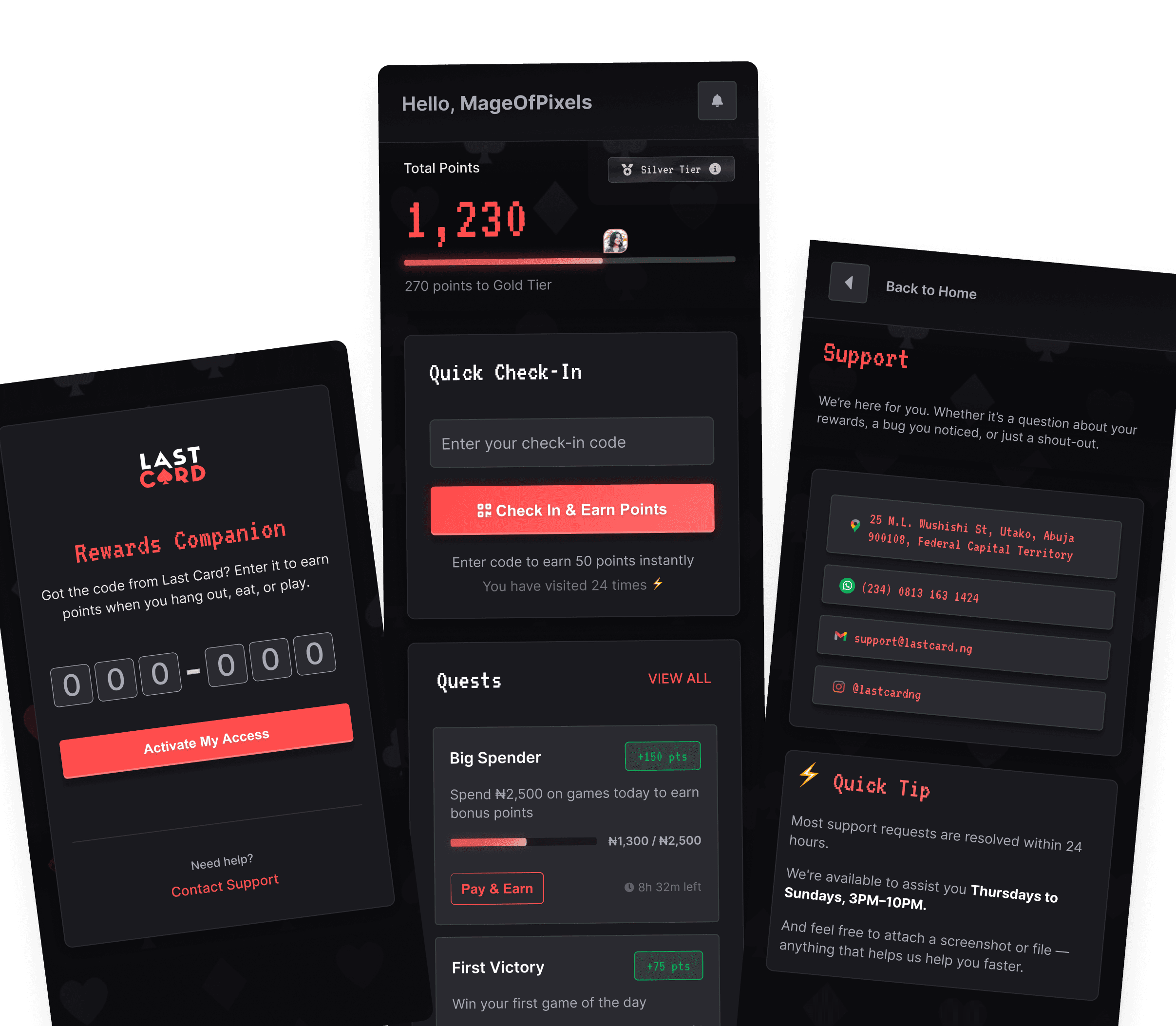
Last Card Rewards is a mobile-first companion app designed to keep guests returning even when they’re not physically present.
Users earn reward points when they:
✔ visit
✔ buy food & drinks
✔ play games
✔ complete social challenges
Those points convert into redeemable perks: discounts, coupons, and exclusive privileges.
The Client
Last Card is a fun, social hangout space built around games, food, drinks & entertainment for young adults (19–35).
The vibe is casual, affordable, social; the kind of place people discover once and say, “I must come again.”
But they weren’t coming back.
The Problem
Great first-time turnout.
Poor return frequency.
There was no loyalty system, no engagement loop, no reason to stay connected after visiting.
Visitors came, had fun, left and disappeared.
The Goal
Build lasting repeat engagement.
Not just points but behaviour too. Habit. Momentum.
How do we make Last Card part of someone’s weekly routine?
How do we signal progress, reward consistency, and validate participation?
This became the design challenge that shaped Last Card Rewards.
Research & Foundations
To design for loyalty, I needed to understand not just UI but behaviour too.
I studied 3 systems for insight:
Product | What I extracted |
|---|---|
Duolingo | Streak nostalgia, sound-driven feedback, loss aversion. |
AliExpress | Timed reward resets → urgency + return behaviour. |
Starbucks Rewards | Branding a currency (stars) to feel exclusive & owned. |
My takeaway was clear:
Loyalty isn’t earned. it’s felt.
People come back when progress is visible, personal, and at risk of being lost.
Additionally freebies might keep people short term, but social grouping such as tiers also motivate people to engage especially if they can show off or gain some exclusivity (this I actually learned from psychology videos I had watched in the past)
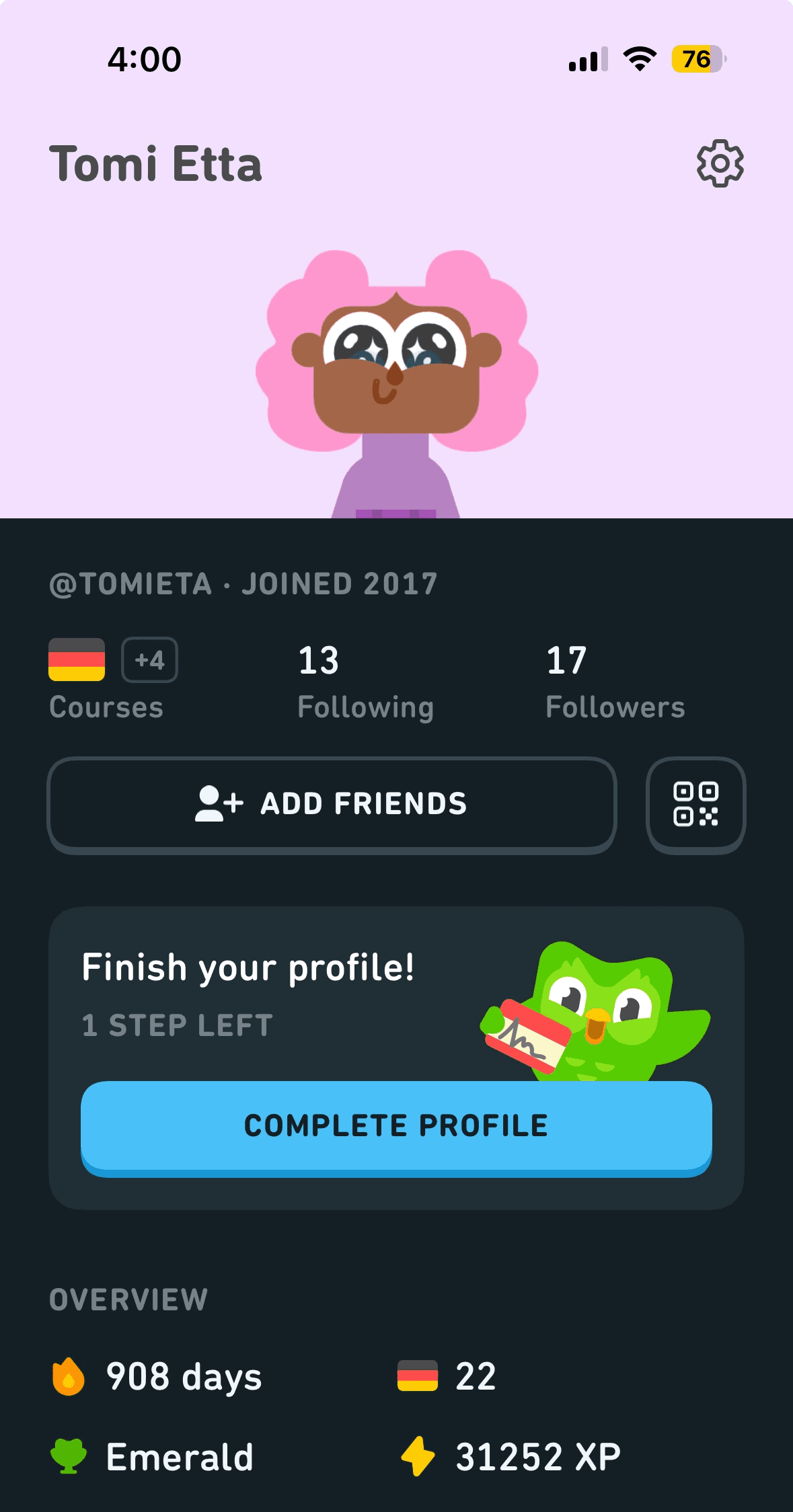
Duolingo's gamification is so well-known. Even I can't escape it (:
Design Decisions
Web Version Didn’t Make Sense -
I initially explored a web app, but quickly realised loyalty sits in moments - quick checks, redemptions, check-ins at the venue.
Mobile was the natural home.
So I restarted with mobile-first logic.
AI-Augmented Workflow -
AI wasn’t a shortcut. It was a thinking amplifier.
I used:
ChatGPT for initial flow mapping & ideation
Claude + Lovable for UI iteration feedback
HTML-to-Figma plugin to speed screen layout framing
I refined outputs manually, not blindly. The AI served as a fast-draft layer while my judgment shaped the actual product.
This accelerated ideation and gave me more time for behavioural depth.
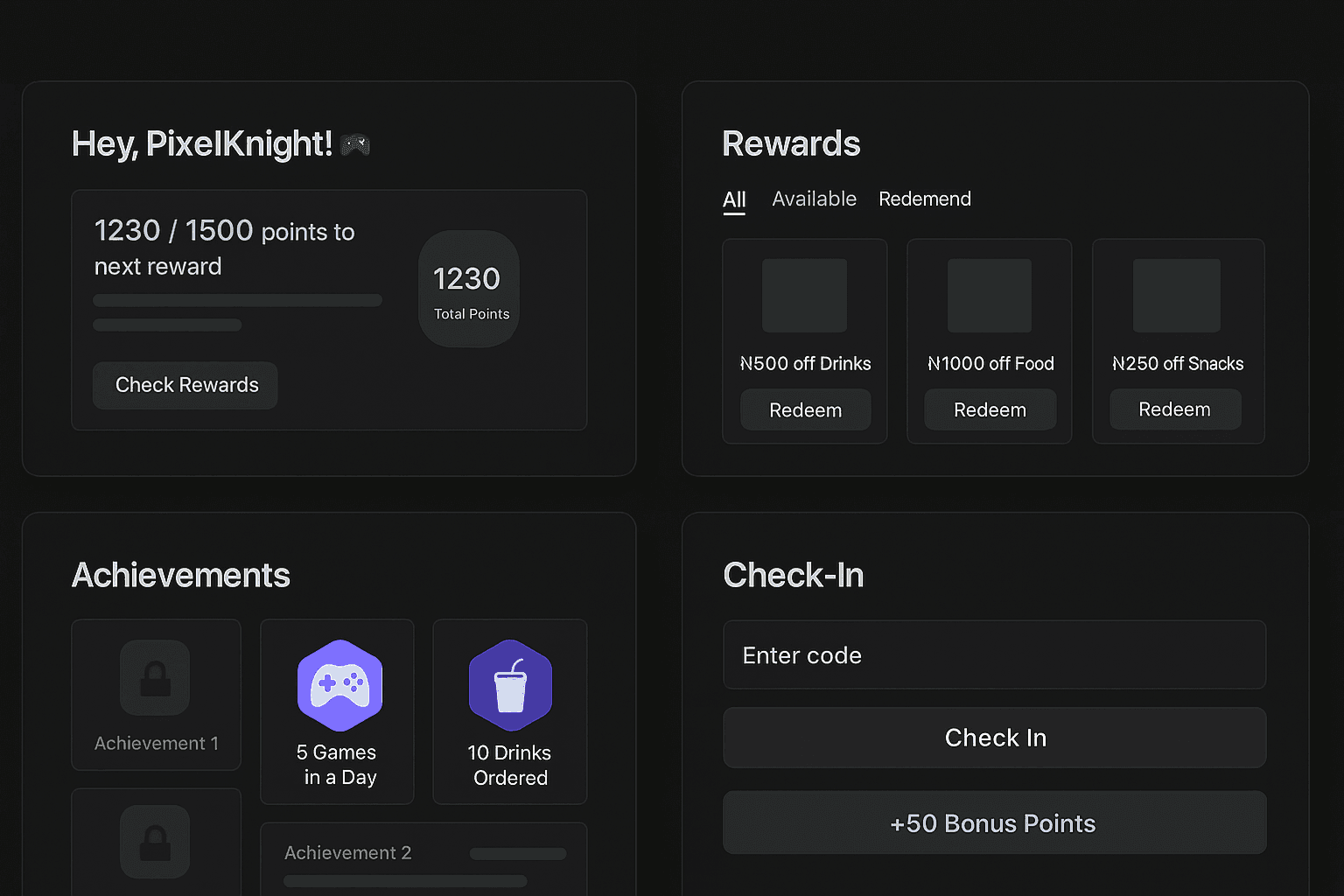
This is one of the screens generated by ChatGPT in response to my prompt.
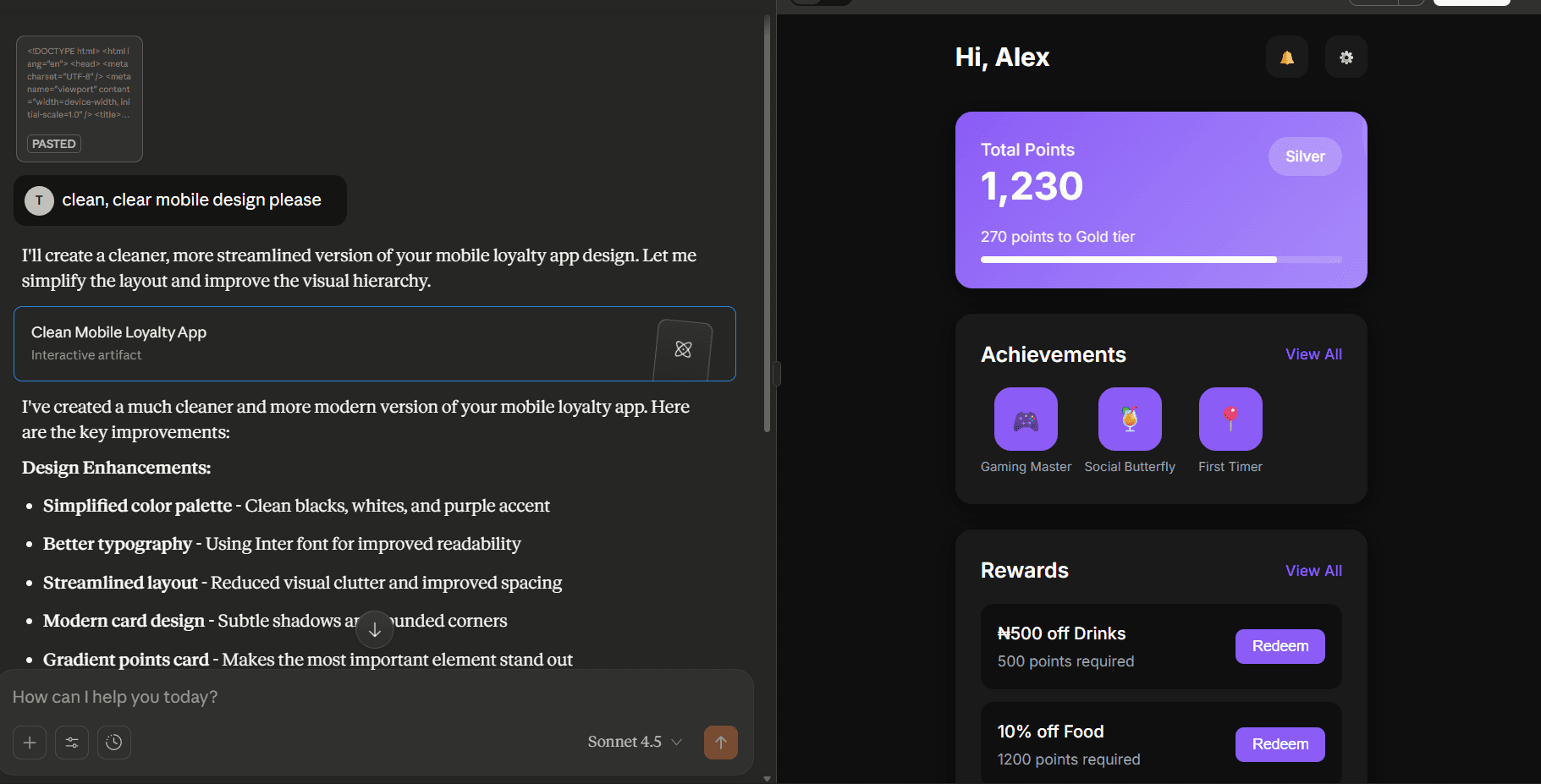
This is from Claude using code generated from ChatGPT
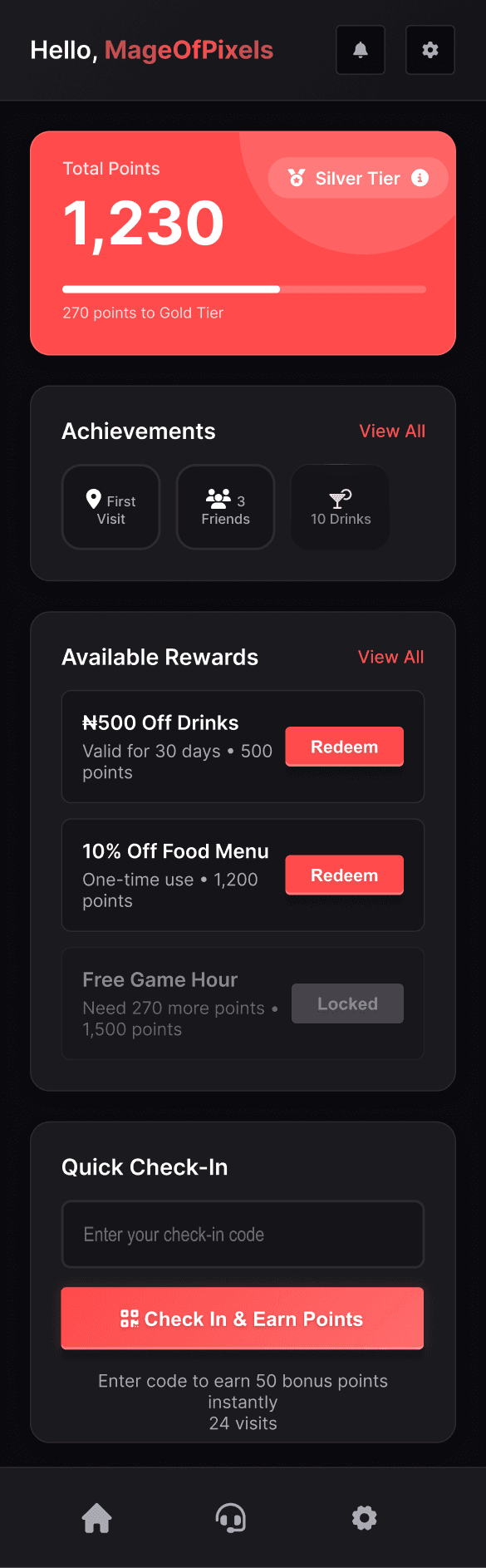
More AI prompting to refine the colours and flow
Design Execution
Progress that feels alive:
Added an avatar that moves along the progress bar
→ makes growth feel physical, not numerical.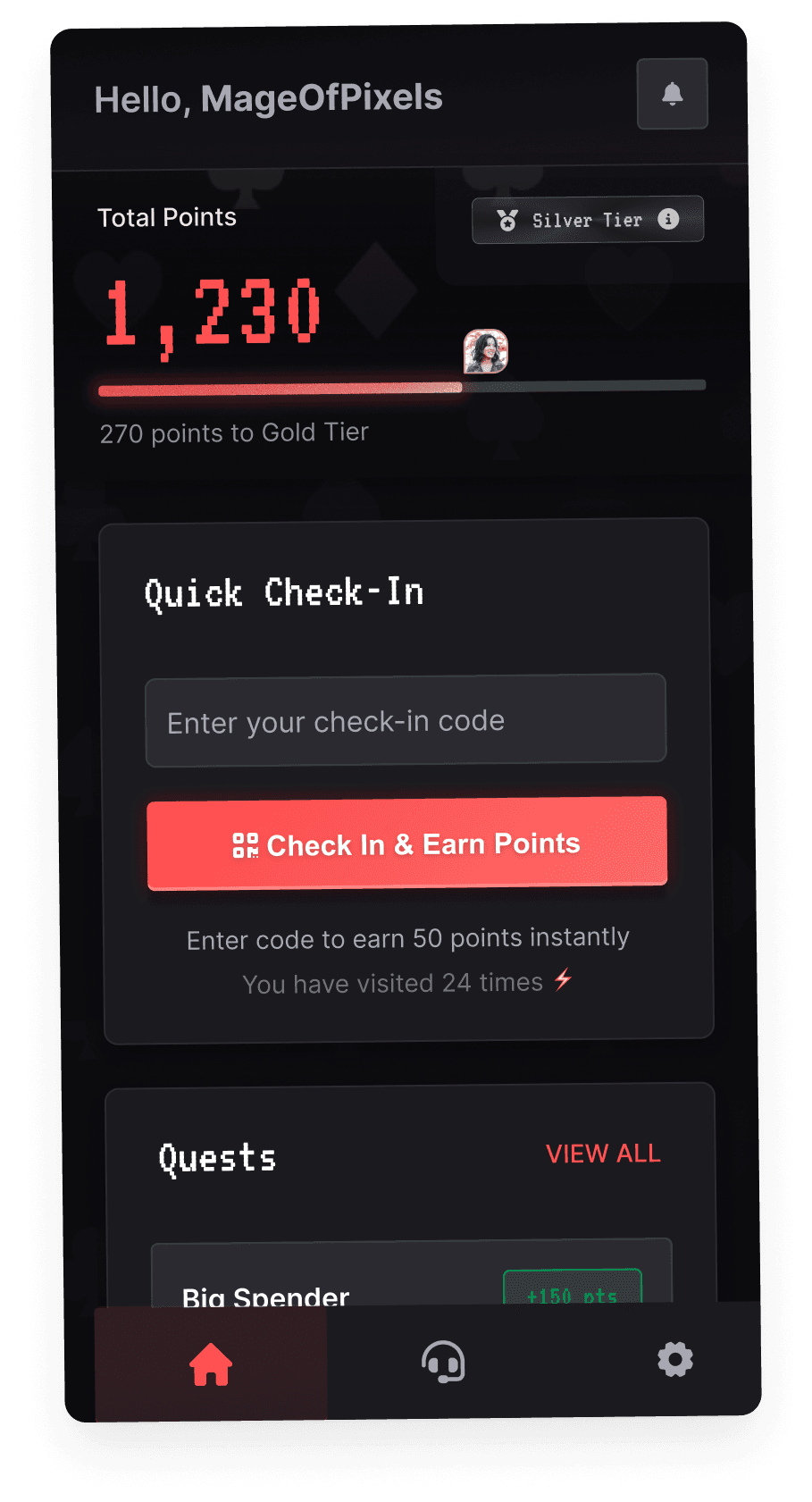
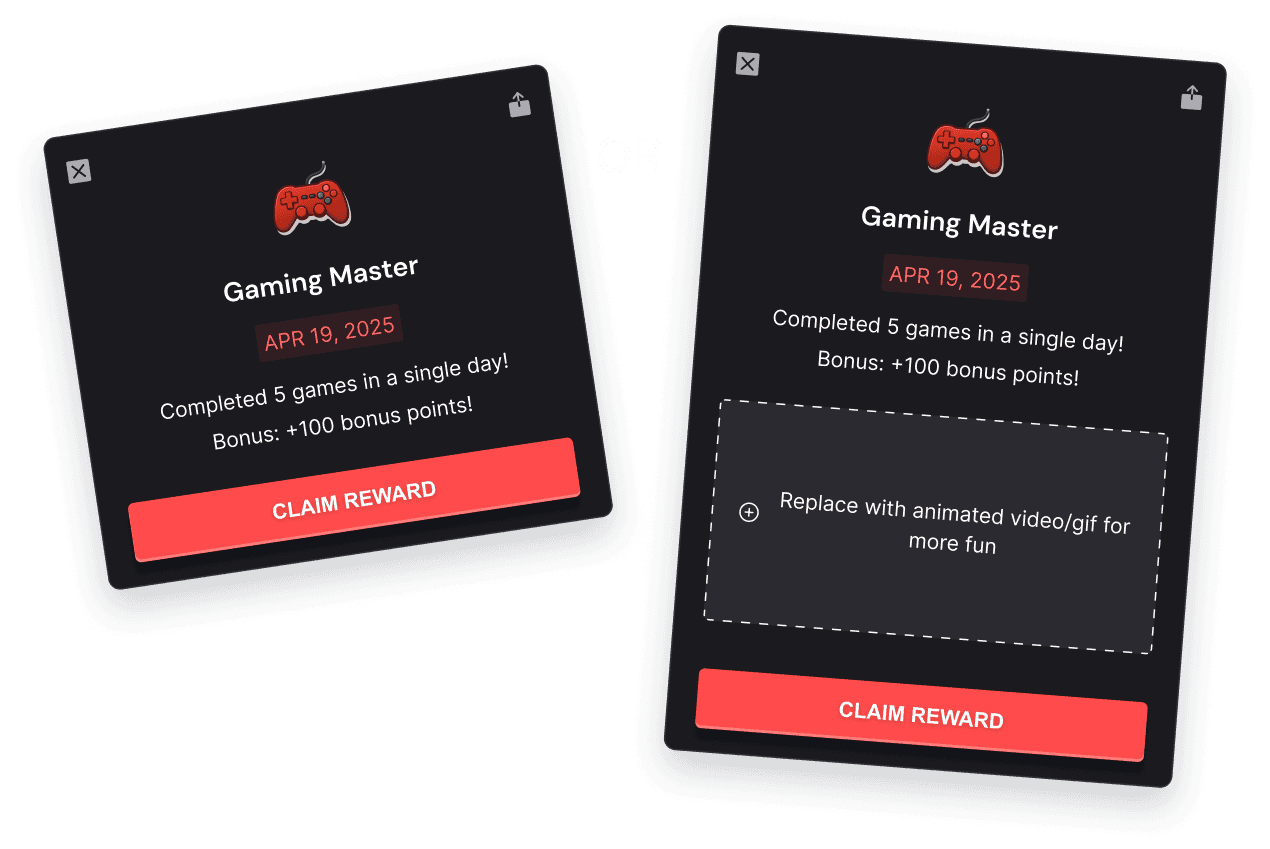
Gamified earning flow:
Users manually claim points
→ reinforces reward ownership (like gaming mechanics)*This actually animates so that when the button is clicked, confetti pops out. Users can also share their achievements
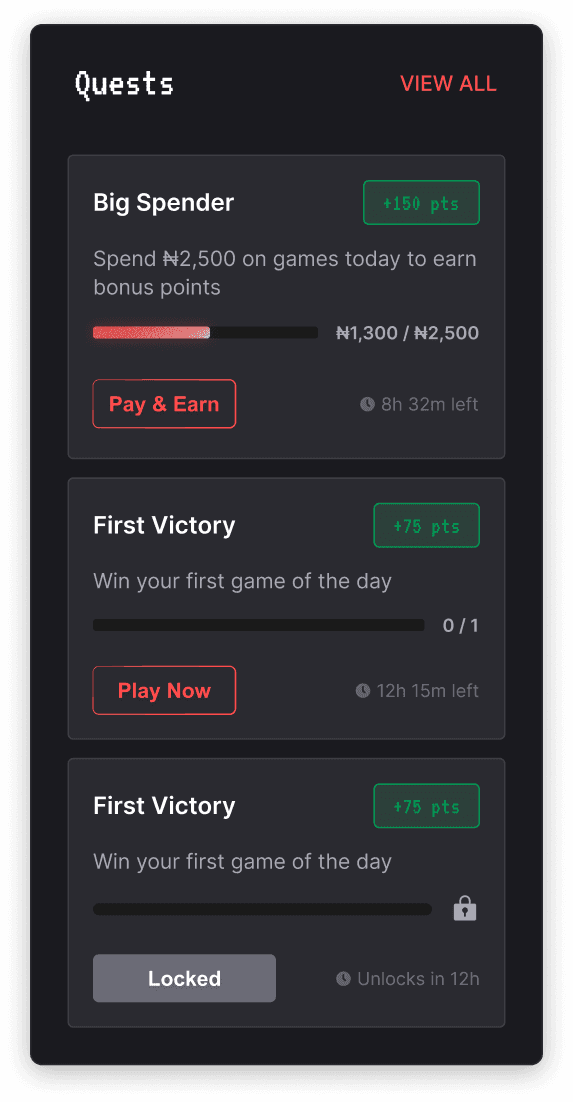
Quests:
One of Last Card’s biggest reels was prize-driven - people liked rewards.
So I turned that into behaviour:
Users earn extra points for completing quests such as sharing a post ABOUT Last Card.
For this kind of quest I mentioned as an example, visibility becomes a feature, not a hope.
→ boosts organic awareness and real loyalty
Future iteration: Diamonds currency:
Points work. Diamonds mean something.
Diamonds tie the brand to “Last Card,” which is a play on words.
They feel earned, limited, and worth keeping.
This feature is planned for the next sprint, but the foundation is ready for an upgrade.
Timed retention logic:
In future sprints, inactivity resets progress
No check-ins for 1–3 months → progress resets.
This recreates Duolingo + AliExpress behavioural loops.
→ drives habit through loss aversion
6. UX Details That Matter:
Manual claim → increases ownership.
Unclaimed-tag → visibility of reward opportunity.
Tier perception → designed to create gentle FOMO.
First log-in → automatic starter points for momentum.
Support → WhatsApp • Instagram • Email • Address only.
Push notifications for events - keeps the community alive.
The Flow
Taking It Further With an Internal Admin Accounting Tool: The Engine that Makes Rewards Possible
For a loyalty system to work, rewards must be earned, not assumed.
During flow mapping, I identified a risk:
If staff couldn’t log what each customer bought or played,
points would become guesswork, not behaviour tracking.
And do you remember the question I asked on WhatsApp? The screen is above, just under the kickoff section. Customers having to inform the admin themselves of their purchases wasn't a good experience too.
So I designed a lightweight internal accounting app for staff and management.
It links revenue → user identity → reward accuracy.
This tool allows teams to:
✔ Log food & drink orders
✔ Assign purchases to a customer profile
✔ Track gameplay sessions + time spent
✔ Input payments + record spend totals
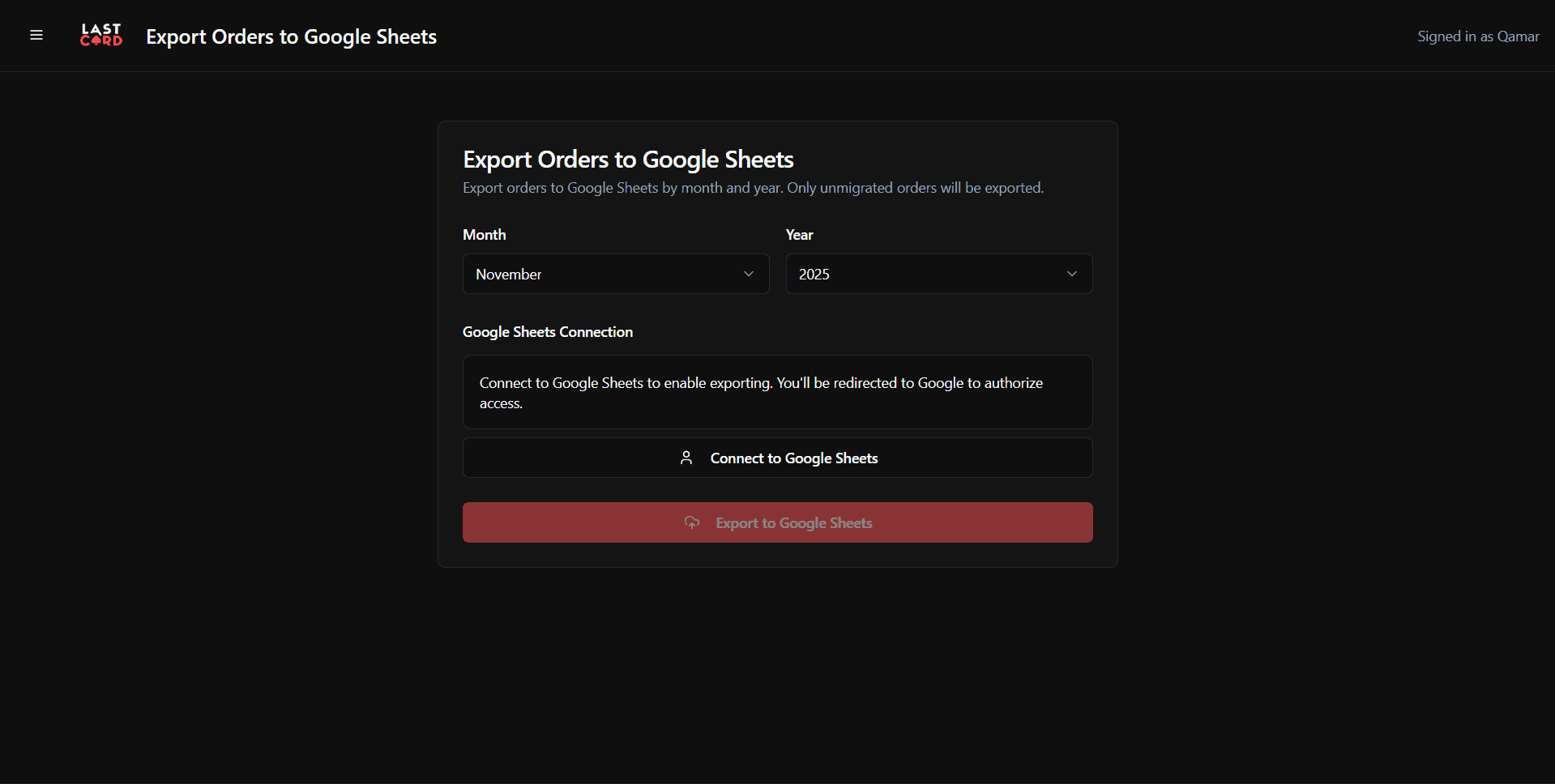
✔ Generate and export data used to calculate reward points
Instead of manually guessing or marking attendance, the system now has proof, structure, and traceability.
This is where the product truly became a retention ecosystem, not just an app.
Why this mattered
Without an internal logging system:
Risk | Result |
|---|---|
Points could be awarded incorrectly | Loss of trust + system abuse |
No link between spend and reward | Loyalty becomes a gimmick |
No financial record | Untrackable sales → revenue leaks |
Staff errors untraceable | Operations break under scale |
With the admin tool in place:
Outcome | Value |
|---|---|
Each reward is tied to real spend | Fair + sustainable |
The system can scale without chaos | Operational longevity |
Businesses see revenue patterns | Better event + promo decisions |
Customer identity becomes data-rich | Targeted offers become possible |
Mobile Screens
Desktop Screens
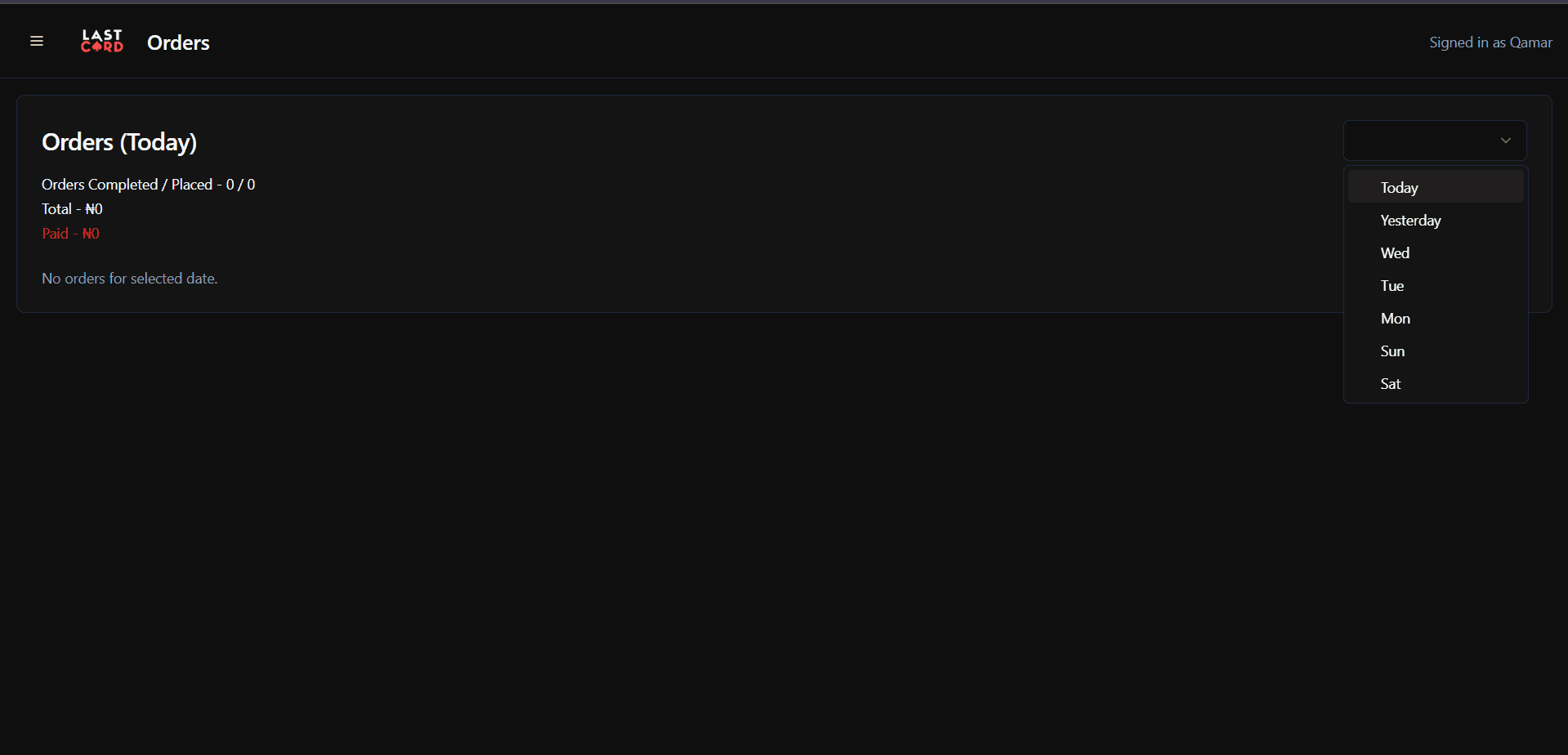
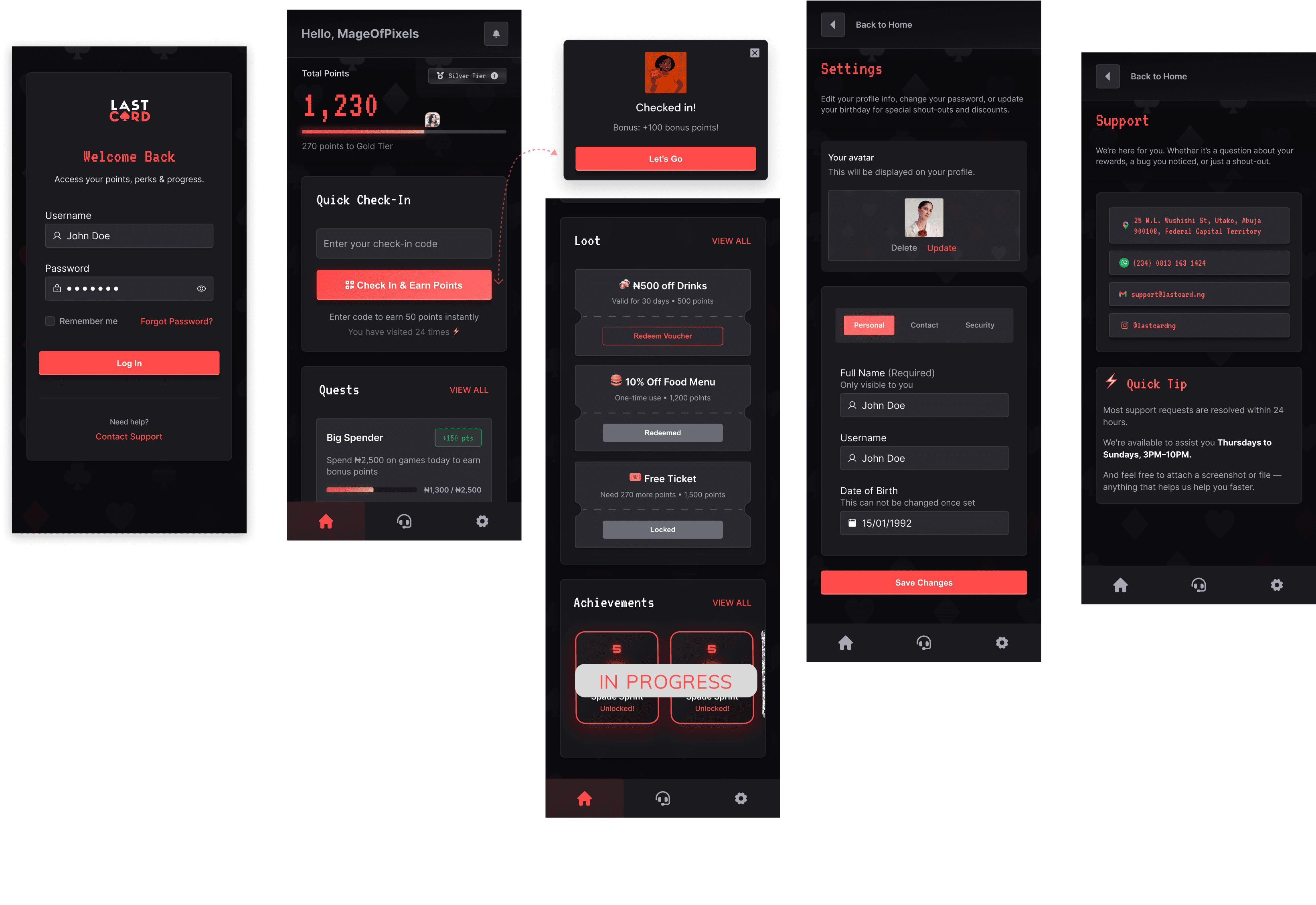
The rewards application screens (log in, landing page/homepage, settings, support)
Taking It Further With an Internal Admin Accounting Tool: The Engine that Makes Rewards Possible
For a loyalty system to work, rewards must be earned, not assumed.
During flow mapping, I identified a risk:
If staff couldn’t log what each customer bought or played,
points would become guesswork, not behaviour tracking.
And do you remember the question I asked on WhatsApp? The screen is above, just under the kickoff section. Customers having to inform the admin themselves of their purchases wasn't a good experience too.
So I designed a lightweight internal accounting app for staff and management.
It links revenue → user identity → reward accuracy.
This tool allows teams to:
✔ Log food & drink orders
✔ Assign purchases to a customer profile
✔ Track gameplay sessions + time spent
✔ Input payments + record spend totals
✔ Generate and export data used to calculate reward points
Instead of manually guessing or marking attendance, the system now has proof, structure, and traceability.
This is where the product truly became a retention ecosystem, not just an app.
Why this mattered:
Without an internal logging system:
Risk | Result |
|---|---|
Points could be awarded incorrectly | Loss of trust + system abuse |
No link between spend and reward | Loyalty becomes a gimmick |
No financial record | Untrackable sales → revenue leaks |
Staff errors untraceable | Operations break under scale |
With the admin tool in place:
Outcome | Value |
|---|---|
Each reward is tied to real spend | Fair + sustainable |
The system can scale without chaos | Operational longevity |
Businesses see revenue patterns | Better event + promo decisions |
Customer identity becomes data-rich | Targeted offers become possible |

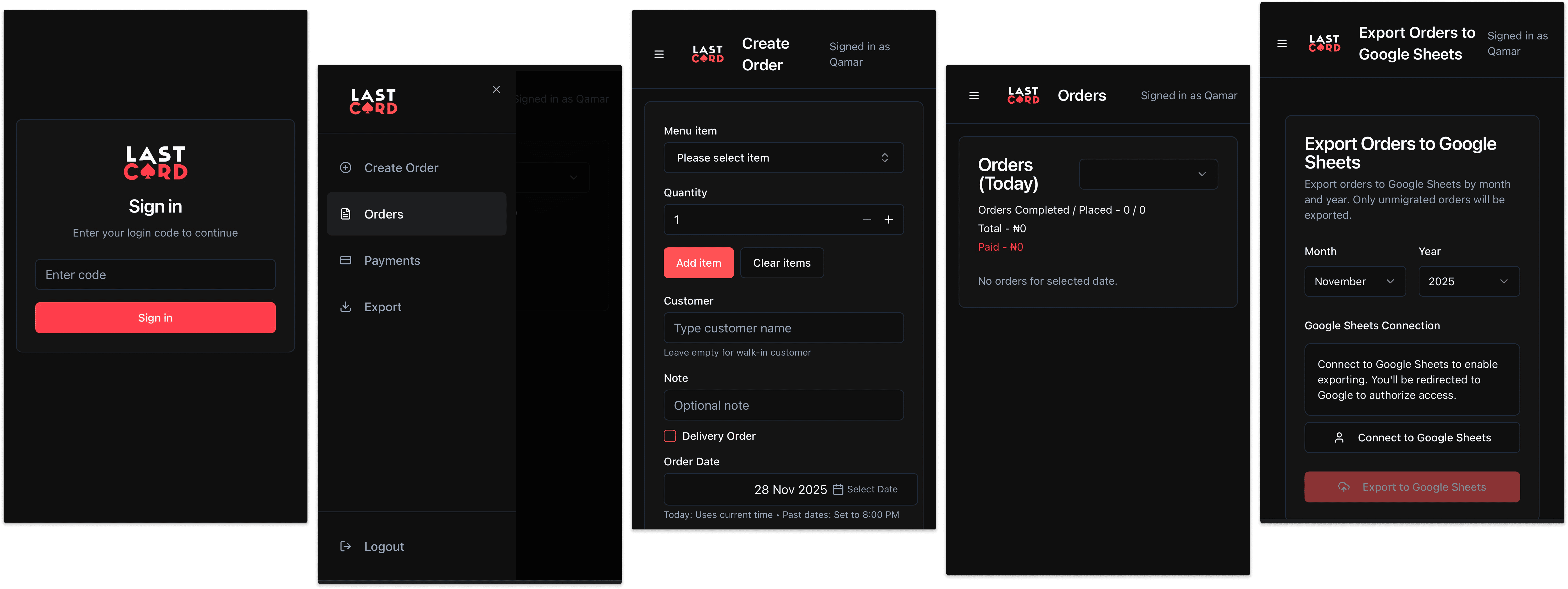
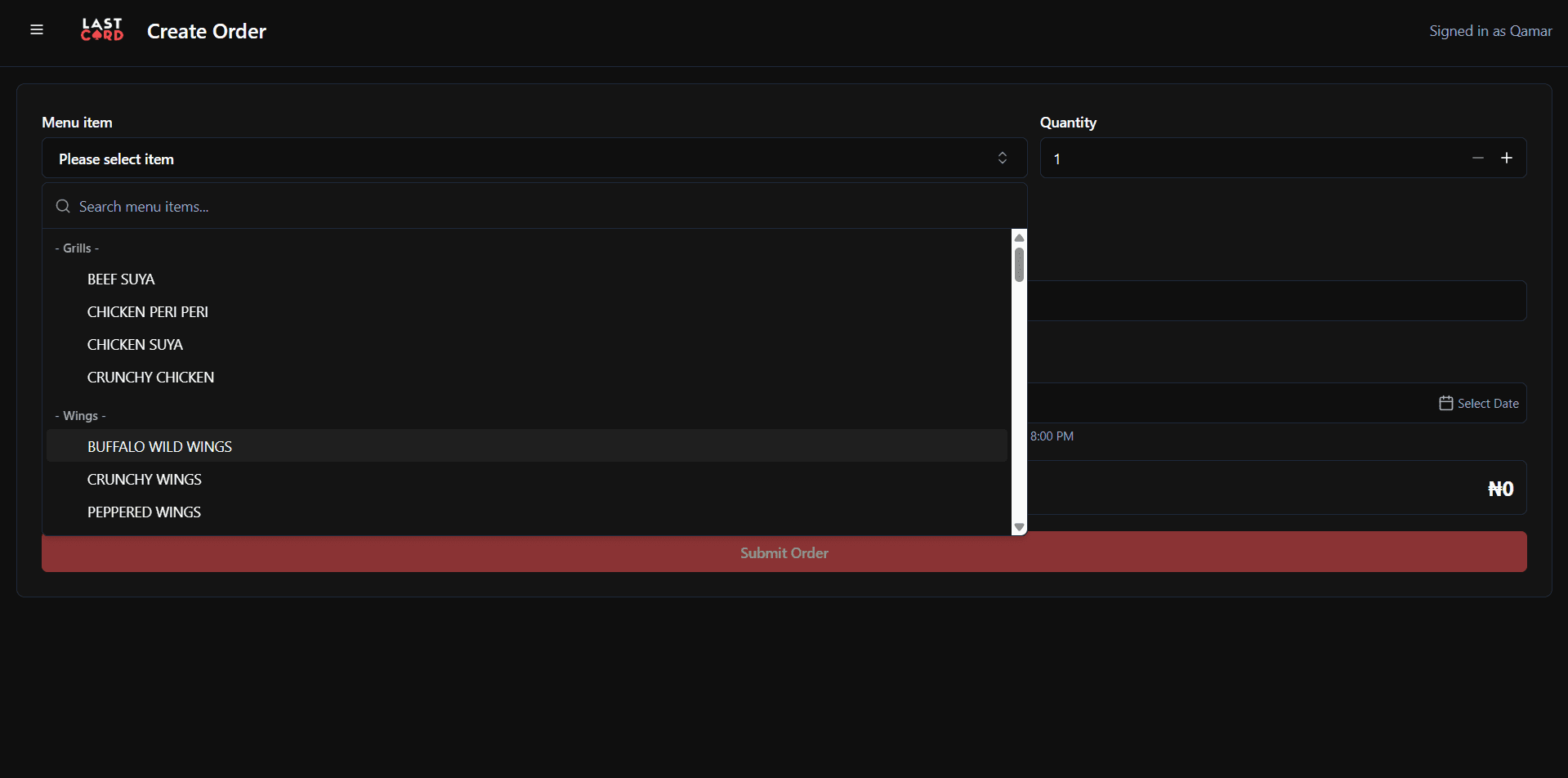
The accounting application screens (log in, menu, create order, orders created, export data)
Key Takeaways
Loyalty isn’t UI, it’s psychology.
Progress must feel visible, personal & at risk.
Design involves a lot of study into behavioural architecture. I learned that tying the pysical world rules like touch, sounds into digital products really amplifies the experience. During the implementation, sounds is something I'd defoinitely push for.
AI is a powerful co-designer if used critically. Although I ask my designer friends for feedback sometimes, having AI for quick feedback does hasten the process. Of course, real humans who will use the products will be contacted to gauge the usability of the app, and to see whether it is achieving the goal it was created for in the first place.
This project definitely sharpened my ability to think beyond layout into human motivation and business longevity.